The first time I went hot tub shopping, I made the rookie move of bringing only a credit card and enthusiasm. No tape measure, no water test, not even a towel. Two hours later I had fallen in love with a glossy model that looked like a spaceship, and the salesperson swore my deck would handle it. It wouldn’t. That lesson cost me a weekend of bracing joists and several apologetic calls to my contractor. The right hot tub can be a joy for a decade or more. The wrong one is a lukewarm, chlorinated mistake with monthly regret statements.
If you’ve been hunting “hot tubs store near me” after dinner on your phone, or circling “Hot tubs for sale” ads, or you’re in Manitoba typing “Winnipeg Hot Tubs” while it’s -25 outside, this guide will filter the noise and save you from common pitfalls. I’ll cover the mistakes I see in showrooms and backyards, the trade-offs that actually matter, and how to read between the sales lines.
Why location and climate change everything
Two identical tubs behave differently in Phoenix and in Winnipeg. Insulation isn’t a brochure detail, it dictates your monthly bill and whether you can soak comfortably during a January cold snap. In a cold climate, a flimsy cabinet with hollow corners leaks heat like a cracked thermos. A properly insulated tub uses dense foam or a hybrid approach that traps heat from the pumps and minimizes convective loss. That alone can mean a difference of 30 to 60 dollars per month in winter.
In cities with harsh winters, reputable dealers stock models that keep pipes warm, lids tight, and controls easy to read with gloves on. If you’re shopping Winnipeg Hot Tubs, ask how the display models were winterized. Ask to see lids with continuous heat seals and reinforced hinges. A winter-ready cover weighs more than you want to lift with one hand, which is why you want a good cover lifter. You’ll thank yourself the first time the wind reaches for it like a kite.
Fit beats features
Buyers get dazzled by jets, waterfalls, and LED packages. Features sell, fit keeps you happy. Your body will spend hours in this shell, and shell ergonomics vary wildly between brands. One lounger might cradle your shoulders while another torques your neck and floats your legs. You cannot guess fit by looking. You need a wet test.
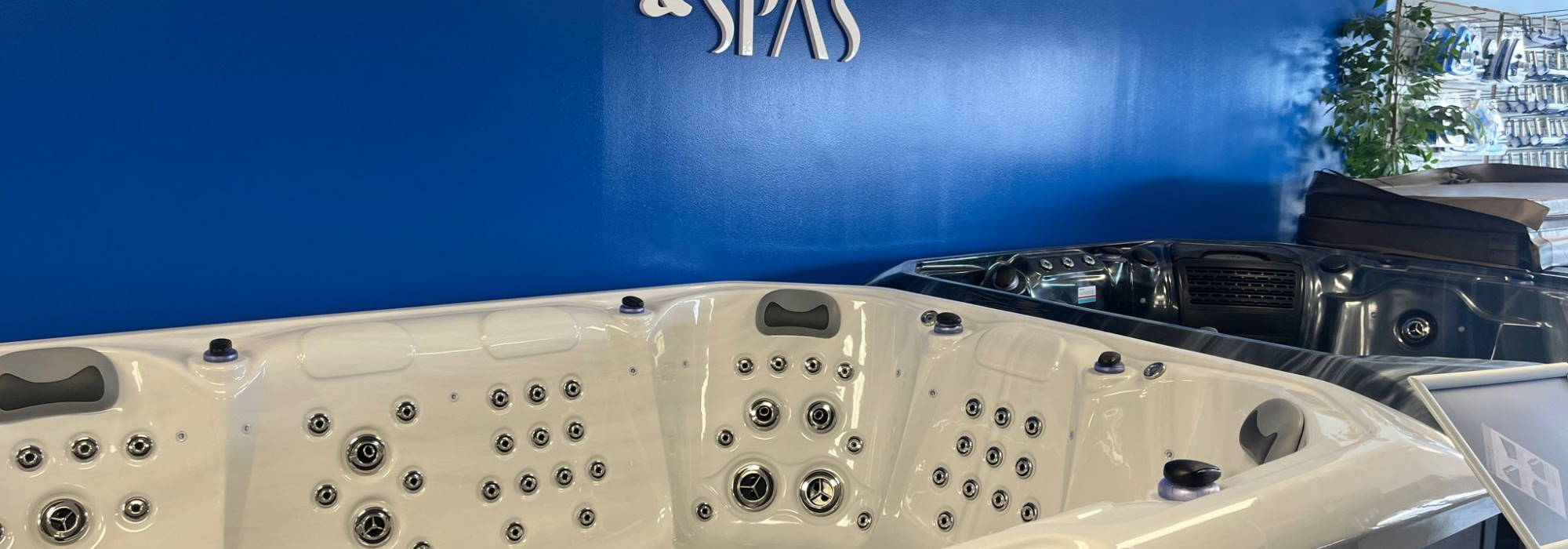
A proper wet test means actual water, swimsuit, quiet time. Sit in every seat for a few minutes. Swim and Spas Roll your shoulders, plant your feet, check your hip angle. Look for a seat that lets you relax without bracing. Move to the cool-down seat and see if it genuinely cools you or just perches you like a parrot. If the store seems reluctant to fill a tub, find a store that isn’t. Good dealers schedule wet tests like any other appointment. If you’re searching “hot tubs store near me,” call first and ask which models are wet-test ready. The answer reveals how seriously they take fit.
I’ve watched couples fall in love with a lounger one of them floats out of within thirty seconds. Body buoyancy and shell shape decide who floats. If one partner always floats, you may be better off with a non-lounger layout that offers varied depths and corner captain’s chairs.
The power you don’t see: pumps, plumbing, and pressure
Pump horsepower gets tossed around like a badge of strength. The number matters less than plumbing efficiency and jet design. A two-horsepower pump pushing through restrictive plumbing feels weaker than a smaller pump feeding open, balanced lines. Look for clear explanations of how many pumps serve how many jets, and whether diverter valves let you shift power between zones. Stand near the equipment bay while the tub runs and listen. A smooth hum suggests a quality motor and better isolation. A tub that rattles on the showroom floor won’t suddenly calm down on your deck.
Pipe insulation is another under-sung factor. In cold climates, heat from pumps can be captured to warm water if the cabinet is designed for it. In warm climates, trapping that heat becomes a problem during summer. Ask your dealer how the cabinet handles pump heat in your region.
Shiny shells and what they hide
A smooth acrylic shell is standard these days, but the reinforcement behind it separates reliable tubs from squeaky, spider-cracked disappointments. A proper shell has a decent thickness and uniform support. Tap the lip gently along the edges and listen; thin areas sound different. Open the equipment bay and look up under the shell for visible backing material. Quality manufacturers are comfortable showing cross-sections in the showroom or in brochures with real specs. If the salesperson avoids detail, either they don’t know or the brand doesn’t want it known.
Seats should have well-defined edges without knife-like ridges. Molded headrests need to be removable and replaceable, because they wear out. Test them. A cheap headrest feels like a pool noodle slice. It will split by year two.
Controls and the myth of one-button bliss
A touch panel looks slick under showroom lights. Err on the side of tactile buttons in frosty climates. Touch panels dislike cold fingers, steam, and sun glare. Better panels have backlit buttons and a simple lockout for kids. Cycle through the menus. If you need a manual to change filtration windows or to pair the app, expect periodic frustration.
Many tubs now tout app control. It’s handy, not essential. The app is only as good as the Wi-Fi signal at your tub. In my experience, a reliable outdoor access point solves most connection issues better than any “smart” module upgrade. Use the app to pre-heat when you fly home from a trip, not to micromanage the daily temperature by half-degree increments.

Filtration: the unglamorous heart of clear water
Every week I meet owners who blame chemicals for cloudy water. In reality, undersized filtration and poor maintenance cause most water headaches. Filters have square footage ratings. More area means more debris captured before pressure rises. Check whether your tub uses one big filter or multiple smaller ones. Multiple filters often perform better and are easier to clean. Some brands isolate one filter for 24-hour circulation while others run all filters only during pump cycles. Ask which system your model uses, then decide if the electricity trade-off makes sense for you.
I like circulation pumps for consistent water movement and quieter evenings. They sip power and keep water skimming even when the main pumps sleep. If your utility rates spike during peak hours, you can program cleaning cycles for off-peak windows. On cold nights, continuous circulation also reduces freeze risk if power flickers.
Water care systems: chlorine, bromine, salt, and marketing
Water chemistry is where buyers either find their rhythm or give up after month three. Each system has strengths.
Chlorine is familiar, cheap, and easy to measure. It works well if you keep your pH and alkalinity in range. Bromine tolerates heat better and holds longer in high temperatures, which is why many people prefer bromine in hot tubs. Salt systems generate chlorine from salt and promise fewer chemical trips. They can simplify dosing but still need balancing and filter care. Ozone injectors and UV systems reduce sanitizer load rather than replace it.
What matters most: habits. Rinse off before you soak. Shower after. Test water twice a week. Clean filters every few weeks. Drain and refill every 3 to 4 months depending on bather load. If you plan to host frequent parties, plan on more diligent maintenance. I’ve seen immaculate water with simple chlorine routines and I’ve watched salt-system owners fight cloudy water because they forgot to clean filters for two months. Tools help, they don’t cure neglect.
If you’re combing listings for Hot tubs for sale, probe the seller about their water care philosophy. If they wave vaguely and throw in a “starter kit,” you’ll spend your first month chasing levels instead of relaxing. A good shop teaches you their method in 10 minutes, then gives you a paper cheat sheet with realistic measurements and a support number that answers.
Power supply and the myth of the plug-and-play miracle
Plug-and-play 120-volt tubs look tempting, especially on a tight budget or rental property. They heat slower and lose heat faster while jets run. They have their place on small patios or seasonal use scenarios. If your plan includes winter soaking or frequent use, a 240-volt dedicated circuit is worth the electrician’s visit. A 50- or 60-amp setup allows heat and high jets simultaneously. That means you don’t watch the temperature fall five degrees during a long soak with friends.
I’ve had buyers call after delivery when they realize their 240-volt line stops three feet short. Measure the run, panel capacity, and conduit path before you buy. An electrician’s site visit costs much less than moving a delivered tub or rescheduling crane time.
Delivery and placement: the least glamorous, most critical chapter
Hot tubs only look petite on the floor. In the real world, they are bulky, heavy, and unforgiving of tight turns. Delivery crews are good at Tetris but they aren’t magicians. Take photos and measurements of gates, stairs, and side yards. Sketch the path. Overhead wires, gas meters, and air conditioners become obstacles. A crane sounds dramatic, and sometimes it’s the easiest and safest route. Crane fees vary by city and timing. Get a quote before you buy.
Decks look solid until four adults, 400 gallons of water, and a cabinet full of pumps arrive. Water weighs roughly 8.3 pounds per gallon. A typical 7 by 7 foot tub with 400 gallons and a few people will press over 4,000 pounds on a small footprint. If you’re unsure about your deck, consult a contractor. Adding a few posts or a beam now beats emergency bracing later.
Where you place the tub changes how often you use it. Ten steps from the back door beats fifty across snow. Shade in summer, wind break in winter. Keep twenty inches or more of clearance on the equipment-bay side so technicians can work. You’ll thank yourself during the first warranty visit.
The noise you ignore in the store becomes the soundtrack at home
Showrooms drown in white noise. Your backyard does not. Ask for a quiet demo. Listen for pump resonance through the cabinet. A pleasant hum is fine, a droning buzz will grate by week two. Place the tub away from bedroom windows if your circulation pump runs at night. A concrete pad transmits less vibration than a deck. Rubber isolation pads under the feet can help. If neighbors are close, test whether jets on low still feel good and sound acceptable. You can always crank them up, but you want a comfortable low setting you can use without shouting to chat.
Energy use: bills, not brochures
Everyone promises efficiency. The truth comes down to insulation, cover quality, programming, and your climate. Ask for real-world ranges, not lab certificate values. Owners in your area can tell you more than any sticker. Most modern, well-insulated tubs in cold climates land somewhere between 25 and 70 dollars per month depending on size and usage. In milder areas, 15 to 40 is common. Cheap covers are the silent thief. A cover that sags and puddles water loses R-value quickly. Budget to replace a worn cover every 4 to 6 years if your climate is harsh, sometimes sooner if the cover is poorly made.
Warranty, service, and the dealer you’re actually marrying
A hot tub isn’t like buying a chair. It’s closer to a small appliance married to a small pool. You will interact with the dealer or their service network more than you expect. A good store keeps parts, schedules real service, and answers calls after the sale. A poor store becomes a voicemail labyrinth.
Read the warranty for the shell, surface, equipment, and labor. Ten-year shell warranties sound impressive until you realize labor is covered for only one year and trip charges kick in on day 366. Ask who handles warranty work in your area. If the answer is an out-of-town contractor who “comes through on Thursdays,” prepare for wait times during busy seasons.
When searching “hot tubs store near me,” check how long the shop has been around. Shops with ten or more years under the same name tend to have systems, not excuses. I once worked with a family that chose a cut-rate dealer to save five hundred dollars. The shop closed six months later. The manufacturer honored parts, but labor and logistics became their headache. A few hundred dollars saved upfront can become a thousand lost in time and frustration.
The test soak nobody talks about: maintenance fit
You’re going to touch filters, drain water, and flip panels. Simulate maintenance in the showroom. Can you access filters without contortion? Do you need to remove a heavy section of the cabinet to reach a simple diverter valve? Is the drain valve buried behind a shrub once installed? Pay attention to the slant of the shell floor; a good tub drains cleanly with a shop-vac finish, a mediocre one leaves a quart of stale water in a corner.

Ask the dealer to show you how to winterize. Even if you never plan to drain for winter, understanding the process helps when power fails. Better yet, ask how the tub protects itself from freeze damage during outages. Some models include sensors that trigger emergency heat cycles, others rely on insulation alone.
Pricing games, bundled deals, and the cost of free lights
Sales stick bright bows on package deals: steps, lifter, filters, lights. Some bundles are honest value, others hide lower-tier accessories. A good cover lifter runs a few hundred dollars and makes daily use easy. A flimsy lifter frustrates you into leaving the tub covered on nights you meant to soak. Cheap steps wobble. If you see “free steps,” grab them, but check stability. You’ll climb those steps wet and barefoot.
Delivery fees vary. Clarify what “curbside” means. Some stores include backyard placement and electrical hookup coordination, others stop at the driveway. If a crane is needed, ask whether the store manages it or expects you to coordinate. Remember water, chemicals, test strips, and a hose-end prefilter. They are small line items that add up. Honest quotes list them up front.
If you’re scanning Hot tubs for sale listings online, be cautious with barely-used “garage kept” tubs. Moving and reinstalling used tubs costs real money, and you inherit unknown water chemistry habits. I’ve seen beautiful shells with pumps clogged by years of oils and scum. A used tub can be a deal if you watch it run hot for an hour, confirm all jets and lights, check for leaks, and know how you’ll move it. If the seller won’t fill it, move on.
The two conversations to have in the store
Every buyer should have two simple, candid talks with the salesperson or manager.
First, “If this were your house and budget, which model would you pick and why?” Then be quiet. Listen for reasoning tied to your situation, not generic praise. If they match your climate, your deck, and your usage pattern, you’re in a good store.
Second, “What do your customers call about after three months, and how do you handle it?” Shops that earn loyalty can list the usual hiccups: cloudy water after a big party, a tripped GFCI in rain, a cover that feels heavy in spring because it waterlogged. They’ll have solutions ready. If you hear “we never have issues,” that’s mythology, not service.
The regional reality check for cold-weather buyers
In winter markets, tubs earn their keep. Winnipeg Hot Tubs dealers know that a tub at -30 needs a cover that seals at the hinge and a cabinet that doesn’t breathe like a straw bale. Look for perimeter insulation with closed-cell foam and a base that resists frost heave and animals. Rodents love warm, soft foam. A sealed base deters them. I’ve opened cabinets in March to find shredded insulation nests. Spend a little more on sealed bases and metal or composite frames that don’t wick moisture.
Your electrician should use outdoor-rated conduit, and your GFCI breaker should live where snow and dripping hands won’t create nuisance trips. Consider a simple roof or pergola to block wind and blowing snow. Even a three-foot privacy screen on the north side changes winter soaking from endurance sport to ritual.
The two-minute pre-buy sanity check
Use this quick walk-through before you commit:
- Sit in every seat wet for at least two minutes, including the cool-down seat. Check for floating in loungers. Lift and lower the cover with the lifter you are actually buying. Judge weight, clearance, and hinge seals. Open the equipment bay. Read the pump, heater, and control brands. Ask about insulation type and see a sample. Confirm power requirements, breaker size, delivery route, and whether a crane is likely. Ask for a written water care plan with specific products, doses, and a support contact.
Print that list or save it on your phone. It will save you from impulse decisions under showroom lights.
Red flags that should slow you down
Some warning signs repeat across regions and brands. A store that won’t schedule a wet test, or pushes you into a floor model at a suspicious discount without letting you hear it run for more than a minute, is transferring their problem into your backyard. Any salesperson who tells you “this tub is maintenance-free” is either joking or misinformed. A tub with no access panel on one side will cost you in labor later when a simple fix takes an hour longer due to poor access.
Pay attention to how the store handles your questions. The hot tub you want comes with a support team who enjoys educating. If your questions are treated as obstacles, walk.
Realistic ownership, happy soaking
Plan for a rhythm. You’ll test water twice a week for the first month, then once you trust your routine it becomes second nature. You’ll clean filters every few weeks and swap in a spare set so the wet ones can dry. You’ll drain and refill a few times a year, which is a good excuse to move the tub a couple inches if needed, check the pad, and lubricate the cover lifter. These small tasks keep things humming.
The payoff is real. There’s a moment on a cold night when steam lifts and the yard goes quiet except for the soft gurgle of water and the distant sound of a train or city bus. Your shoulders drop. The week resets. If you’ve chosen well, that moment happens often, not just during the first month after delivery.
When searching “hot tubs store near me” actually works
All searches look the same until you call or visit. A good local dealer changes everything. They’ll match models to your climate, steer you away from bad fits, and show you what ownership really looks like. Shops that handle service in-house, stock common parts, and run clean showrooms usually sell good tubs. They also carry the kinds of accessories that matter: proper steps, sturdy lifters, decent test kits, and covers that seal.
If you’re in a market with multiple stores, invest an afternoon visiting two or three. Take the same questions to each. Your best store will be the one that talks you out of something you don’t need and takes the time to fit you into a shell that suits your body. That may be the model with fewer LEDs and a stronger warranty, not the one with the dramatic waterfall arc.
Final thought before you swipe the card
Ignore the sizzle for a day and focus on the practical: fit, insulation, access, power, water care, delivery, and service. Features fade into the background after a month. The fundamentals determine whether you slide into hot water with a smile for years or stare at a tub you resent. If you buy from a reputable “hot tubs store near me,” especially one with deep cold-weather experience, you’ll sidestep most of the common mistakes and end up with a backyard ritual you actually use.
And bring a towel to the wet test. Trust me on that one.