Buying a hot tub on a budget is a bit like shopping for a classic car: the right one rewards you for years, the wrong one drains your wallet in quiet, relentless ways. I have helped neighbors hunt down bargains, haggled with dealers who swore every tub was “last one at this price,” and rebuilt used units with $30 parts that saved $900 calls. If you’re patient and know where to look, a quality hot tub for sale at a reasonable price is not a unicorn. It just requires strategy, timing, and a decent understanding of what you’re actually buying.
Hot tubs are a mashup of plumbing, insulation, electronics, and wet human behavior. That means you have several paths to savings: price of the shell, cost of operation, money you do or don’t spend on repairs, and what you shell out to move and install it. People fixate on sticker price, Great site then spend the difference on power and maintenance. The sharp move is to consider the total cost over the first three years. That number tells you whether the “deal” is actually a drain.
Let’s walk through the best places to find a deal, the red flags, the negotiable bits, and the math that keeps your budget intact.
The used market: treasure or time sink?
The used market is where the best steals and the biggest headaches live side by side. A premium brand from five to eight years ago can be a better buy than a new, no-name model at the same price. The trick is knowing how to evaluate what you’re seeing.
I have purchased tubs from online marketplaces, a moving sale, and a neighbor’s deck. Two were phenomenal values. One ate a month of weekends. The difference came down to three things: brand, condition, and the seller’s transparency.
Spend time on local marketplaces and classifieds. Filter results for models within 25 miles, then widen if you can arrange affordable hauling. Look for well-known brands, intact covers, and listings that include model numbers or a clear photo of the control panel. Skip anything photographed in the dark or with excuses like “don’t have time to test.”
Most used tubs change hands between $800 and $3,500 depending on size, age, and brand. If you’re seeing a high-end, eight-year-old model under $1,500 with a new cover and service history, don’t sleep on it. Line up a truck and a friend who knows which end of a wrench to hold.
Here is a quick reality check list you can mentally run through during your search:
- Can it be wet-tested, even in the seller’s yard with a hose? Dry tests tell you nothing about leaks. How old is the cover, and does it feel waterlogged? A new cover often costs $400 to $800. Are there signs of freeze damage or sagging cabinet panels? Freeze repairs can run from $300 to the cost of a replacement tub. Does the control panel show error codes? Some are trivial, some are a new board in disguise. Is the service disconnect included, and do you know the power requirements? Swapping from 110 to 220 volts isn’t trivial.
If you can wet-test, watch the jets for uniform pressure, check that all pumps cycle on, and confirm the heater raises temperature. Give it 20 to 30 minutes if possible. Make sure the GFCI trips when tested. Open the cabinet access and sniff for mildew or burnt electronics. The smell of damp wood chips is normal. The smell of melted marshmallow is not.
One more used-market perk: good sellers often include steps, chemicals, spare filters, and even a lifter for the cover. That adds real value. Filters are $20 to $70 each, and you want at least two so you can rotate and clean them.
Factory seconds, scratch and dent, and returned inventory
Dealers and regional distributors sometimes sit on oddballs: floor models, scratched cabinets, discontinued colors, or tubs returned during a remodel. These units can be structurally perfect but cosmetically imperfect, which is exactly what a budget loves. Discounts vary widely, but I have seen 15 to 40 percent off standard pricing.
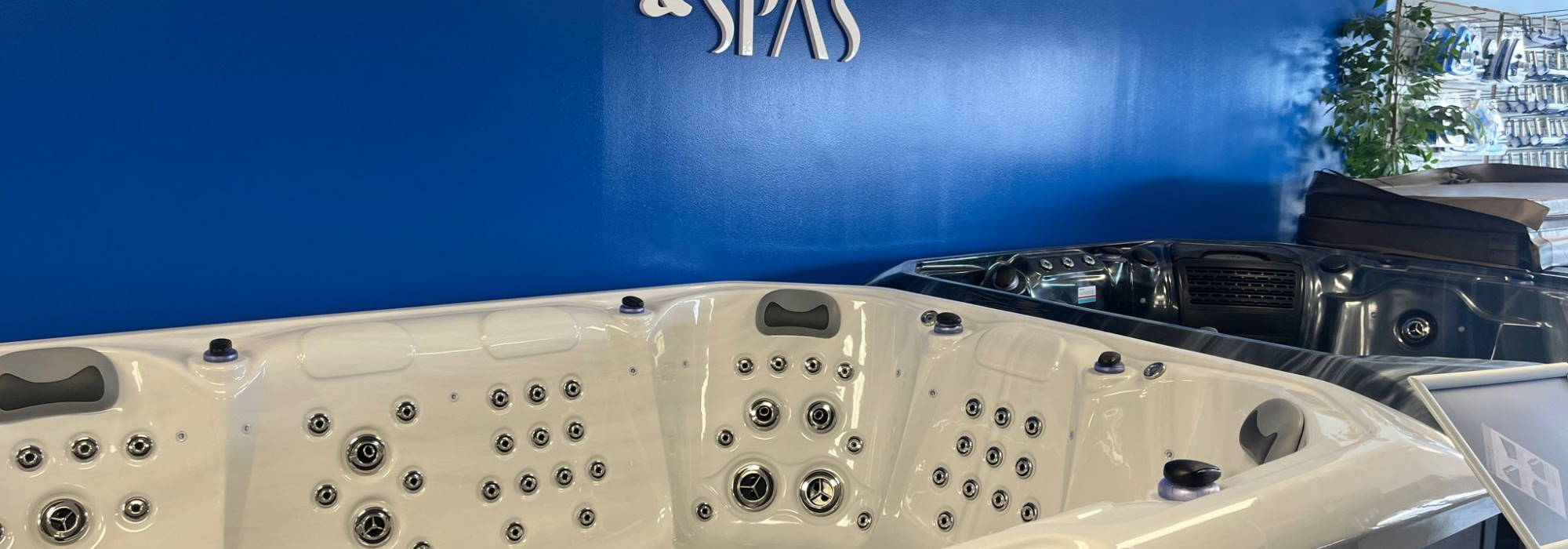
Ask dealers explicitly if they have any factory seconds or non-current stock. They rarely broadcast it unless inventory pressure forces their hand. Be ready to accept minor dings or a mismatched cover. Focus on warranty terms. Some scratch and dent units keep full shell and structural warranties, others drop to a limited electrical warranty. A three to five year warranty on major components can be worth a small premium over a used unit with no safety net.
Floor models are another good angle. Wet floor models that have been filled for showroom use are better than dry floor models. They have been run, which de-risks hidden issues. Just make sure you get fresh filters and a new, not sun-faded cover.
Big box stores and seasonal buyers’ markets
Warehouse clubs and big box stores have changed the entry-level hot tub market. You will not get the plush hydrotherapy of a $12,000 spa, but you can get a very usable, energy-responsible unit between $3,500 and $6,500 during seasonal sales. The warranties tend to be straightforward, return policies are famously consumer friendly, and delivery might be bundled.
What you trade away is customization and parts support. Some brands use proprietary control systems, so future repairs may anchor you to that supply chain. The trick is to choose models with industry-standard components, like Balboa or Gecko control packs. You can see brand photos on the electronics plate or in product specs. If you cannot identify the component supplier, assume you are married to the retailer for parts.
Also study insulation. A fully foamed cabinet holds heat better in winter but complicates leak repair. A perimeter-insulated tub is easier to service but can cost more to heat, especially in cold climates. Generally, if you live in a region with long winters, pay for better insulation. You will save $20 to $50 a month on power, which adds up fast.
Plan purchases around retail rhythms. Spring and late fall are sale windows. End-of-season clearance on floor stock is a sweet spot. Ask about last year’s model sitting in a warehouse. It might be functionally identical with a different skirt color and a friendlier price.
Direct-to-consumer online brands
The internet brought us mattresses in boxes. It also brought tubs on freight pallets. There are a few DTC hot tub companies that ship nationally with mid-tier pricing. Pros: they cut out dealer markups, offer transparent online specs, and sometimes include white-glove setup for an extra fee. Cons: you are your own service coordinator, local techs may not carry spares for the brand, and you cannot sit in a showroom to try the jet layout.
If you go this route, interrogate the energy usage estimates, which should be based on a 50 to 60 degree ambient test, 102 degree water, and a normal usage pattern. Ask for current draw at low and high speed for each pump, heater wattage, and insulation type. Also ask which major components come from which manufacturers. Balboa packs and Waterway jets are widely supported. Unknown control systems can turn small failures into long waits.
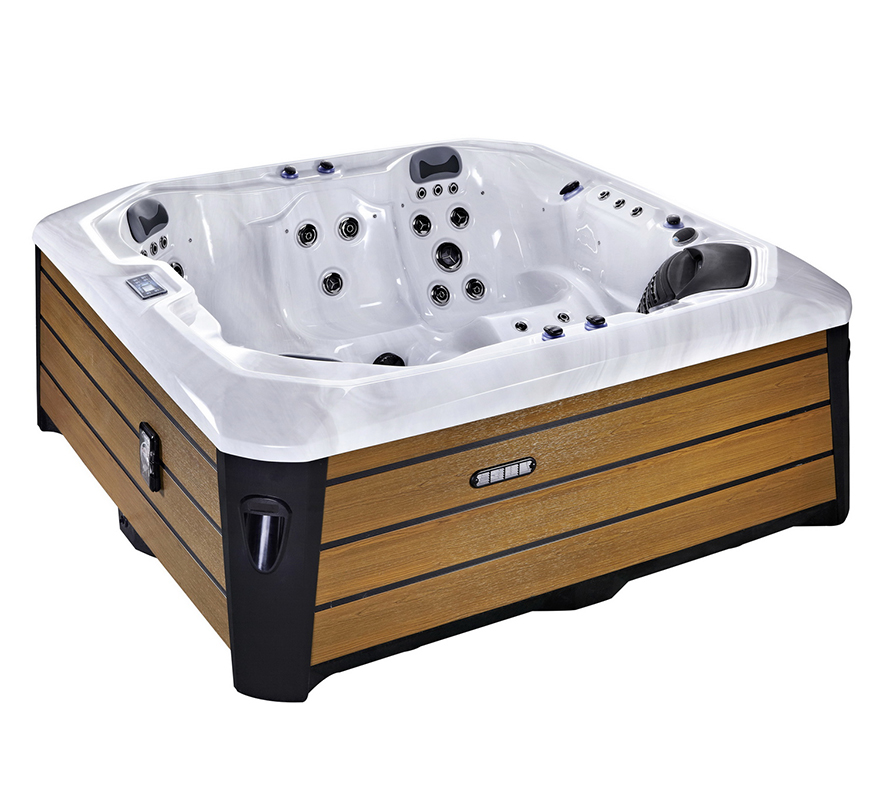
And do not skimp on the cover quality. A cheap, thin cover leaks heat the way a screen door leaks air. I have measured 5 to 8 degrees of overnight heat loss difference between a light, spongy cover and a dense, well-sealed one. Over a winter, that is real money.
Refurbishers, installers, and trade-ins
Independent refurbishers can be a gold mine. They buy trade-ins from dealers, replace worn parts, reseal the plumbing, and flip the tub with a short warranty. I have worked with two shops that offered 60 to 180 day warranties on refurbished units, plus discounted service if something popped later. Expect honest cosmetic wear and a cabinet that has seen seasons, but the guts are typically sound. Prices land between well-bought used and discounted floor models.
How to vet a refurbisher: look for a real shop address, photos of the repair process, and a parts list for what they replaced, not just “gone through.” If they throw in a new GFCI cord, new filters, and a fresh cover, that is the sign of a shop maximizing value. Ask if they do a timed heat test before sale, raising water from ambient to 102 and logging the duration. That test reveals insulation performance and heater output.
Trade-in programs at dealerships also surface good buys. When someone upgrades to a feature-packed tub, the dealer takes the old one. The best units need less reconditioning and hit the used floor with a limited warranty. Pricing is higher than private party sales, though you get a cleaner history and easier delivery.
Inflatable and plug-and-play units
Is an inflatable hot tub real hydrotherapy? Not really. Is it a cheap way to learn your usage habits and confirm you will actually use a spa through the seasons? Absolutely. Good inflatables range from $300 to $900. They heat slowly, cool quickly, and are more like a warm bubble bath than a deep-tissue massage. They do, however, teach you chemical handling and routine. I know one couple who started with an inflatable, fell in love with the nightly soak ritual, and upgraded a year later. The inflatable then became their lake-cabin backup.
Plug-and-play rigid tubs that run on 110 volts offer a middle path. They are smaller, usually one pump, and carry fewer jets, but installation costs drop because you avoid immediate electrical upgrades. In mild climates and for small households, they are a smart starter pick. In cold climates, they can struggle to maintain heat with the cover off in winter. If you go plug-and-play, choose thicker insulation and a high-quality cover, and plan for a 220-volt upgrade down the road.
What “quality” actually means for a budget buyer
Marketing departments worship jet counts. Your back does not. The layout, pump quality, and ergonomic seating matter more than a number on a brochure.
Here is what I look for when advising a budget-minded buyer:
- Sensible jet layout with a mix of directional and rotating jets, not a wall of identical plastic hats. A comfortable lounge seat only if it fits your height. Lounge seats that float you out are a common regret. Simple, proven control packs. Balboa or Gecko controls are reliable and serviceable. A well-fitting, dense cover with full skirt and good stitching. The cover is your second heater. Thoughtful insulation. In a cold region, foam density and cabinet sealing trump light-up cupholders.
Avoid novelty. Waterfalls and perimeters of LED lights charm the first week and draw power the rest of the year. If they come with the tub, great. If you are weighing two units and one swaps lights for better insulation or a longer warranty, pick the boring one.
The costs people forget to budget
Saving on the purchase price is only step one. The total cost of ownership includes power, chemicals, filters, and any service calls. The difference between a bargain and a budget wreck often hides here.
Power consumption depends on insulation, ambient temperature, and usage. A well-insulated, mid-size tub in a temperate climate might run $25 to $45 per month. In a cold climate or with thin insulation, you can see $60 to $100 during winter. A high-quality cover and a wind-protected placement reduce heat loss dramatically. If your yard funnels wind like a canyon, build a simple screen.
Chemicals are less scary than they seem. A basic sanitizer plus pH balance and occasional shock will cost $10 to $30 a month once you dial in your routine. Filters last six months to two years, depending on water hardness and cleaning discipline. Buy two and rotate them every two to four weeks. Dirty filters strain pumps and trick control systems into error codes.
Electrical work is a one-time but significant item. A 220-volt installation with a GFCI breaker and outdoor disconnect generally runs $500 to $1,500 depending on distance from the panel and how much trenching is needed. If you plan to pour a pad, add $300 to $900 for concrete or pavers. Delivery and placement can run $200 to $800, especially if you need a crane lift over a fence. Before you buy a hot tub for sale that is a thousand miles away, price the logistics to get it onto your patio.
How to negotiate without being a nuisance
Sellers, whether private or retail, like buyers who do their homework and move quickly. Information is leverage. A respectful, direct approach beats throwing out a lowball and hoping it sticks.
With private sellers, show up with cash or a ready digital payment, a vehicle schedule, and your own moving plan. Point out any issues you will need to address, such as a sagging cover or a pump that whines, and tie your asking price to those costs. If you can do your own moving, you are removing their biggest pain point, which has value.
Dealers respond to timing and bundles. If you are buying at the end of a sales period, ask openly what they can do if you purchase this week. Bundle in a new cover lifter, starter chemical kit, filters, and delivery. Often it is easier for a dealer to add $400 of goods than to cut $400 off the sticker. If they will not budge on price, ask for an extended labor warranty. Labor can be more expensive than the part.
What to inspect on any used or discounted tub
A systematic inspection makes the difference between a confident purchase and a surprise repair bill. Bring a flashlight, a towel, and a notepad. If the seller balks at a proper look, walk away. Here is a concise checklist you can follow on-site:
- Shell integrity: run your hand along the interior. Hairline, surface cracking near jets can be cosmetic, but deep cracks or soft spots are a no. Plumbing and cabinet: open access panels, look for dried mineral trails, damp insulation, or mouse nests. Wet foam may indicate slow leaks. Equipment: look for brand labels on the control pack, pumps, and heater. Take photos of model numbers. Operation: power up, cycle jets, check the heater indicator, and test lights. Verify the GFCI trips and resets. Cover and lifter: lift the cover. If it feels like lifting a soggy mattress, it is waterlogged and due for replacement.
If you cannot wet-test, price in risk. At minimum, assume you will need a new cover and possibly a pump seal or heater element. A fair discount for an untested tub is often 25 to 40 percent below tested comps, depending on age and brand.
A word on brands and parts availability
Brand matters because it correlates with shell quality, insulation, and parts pipelines. High-end brands build shells that last decades, though electronics come and go. Budget brands sometimes nail it, sometimes do not. Without turning this into a ranking, look for brands with regional dealer support and widely available parts. An obscure badge can still be fine if it runs Balboa controls and Waterway jets, since any competent tech can work on it.
Beware of discontinued models with proprietary boards. If the control system is rare and a replacement board costs $600 to $900 and ships from far away, your “cheap” tub is one lightning strike away from expensive. Ask local service shops what they like to work on. Techs tell the truth because they are the ones stranded in your yard at 9 p.m. trying to source a weird relay.
Insulation: where pennies become dollars
Energy leaks are budget killers in cold weather. Fully foamed cabinets trap heat well but complicate leak repairs. Perimeter insulation is easier to service and sometimes better in moderate climates if the cabinet is properly sealed and reflective. Hybrids exist: strategic foam around plumbing with reflective barriers and a thermal blanket under the skirt. What matters is the overall thermal performance, not marketing terms.
If you are evaluating insulation on a used tub, remove an access panel and look for uniform foam coverage, intact vapor barriers, and no big voids. On a cold evening, you can sometimes feel warm air leaking through cabinet seams, a sign the tub will heat your backyard more than your water. A bead of weatherstripping around the cabinet can improve performance for a few dollars.
Site prep that saves headaches
Do not park a 700-pound dry tub on a spongy deck or uneven pavers. Once filled, you are over 3,000 pounds, and sag creates stress that shows up as creaks, cabinet gaps, and, in the worst case, shell cracks. A simple concrete pad, a reinforced deck section, or leveled compacted gravel with patio stones will do. Make sure water drains away from the base so the cabinet feet are not sitting in a puddle.
Think about access. Service technicians need to reach the equipment side freely. If you squeeze the tub into a pergola with 3 inches of clearance, you have built a display case, not a service bay. You will pay more for service calls, because everything takes longer.
Plan your path for delivery. Remove gate panels, move that grill, and warn your favorite rose bush it might lose a limb. If a crane is necessary, coordinate with the seller for the lift schedule. I once watched a tub get stranded because the crane was booked a day later than the seller’s move-out. That created two days of drama that could have been solved with one phone call.
Warranty and paperwork worth more than a free light show
Paperwork matters because warranties are contracts. Read what is covered: shell, surface, plumbing, equipment, labor. A “five-year warranty” sometimes means five years on the shell, one year on parts, and no labor after 12 months. I would rather have three years of parts and labor on equipment than ten years of shell coverage, because electronics fail more often than shells.
Register your warranty immediately. Keep purchase receipts, serial numbers, and photos of the control pack label. If a future claim requires proof, you will not be digging through your email like a raccoon at midnight.
Realistic budgets and scenarios
Let’s map three common scenarios.
- The $1,500 used premium: You find a seven-year-old, mid-size premium brand unit with a new cover, clear wet test, and local pickup. You spend $600 on electrical and $200 on delivery. First-year chemicals and filters run $180. Power averages $40 a month. Total first-year cost lands near $3,000 to $3,300. You own a quality tub that would cost $8,000 to $10,000 new. The trade-off is no long warranty, and you assume small repair risk. The $4,500 warehouse win: You catch a spring sale on a well-reviewed warehouse model with a standard control pack and good insulation. Delivery is included, electrical is $900, starter chemicals come in the box, and a decent cover is included. First-year power is $30 to $50 a month depending on climate. Warranty covers equipment for two to three years. Total first-year cost sits around $6,000. Fewer unknowns, quicker setup, newer look. The $3,000 refurbished value: A local refurbisher lists a reconditioned unit with 90-day warranty, new cover, and a parts list showing new pump seals, heater element, and control board. Delivery is $250. You spend $700 on electrical. First-year power is $35 to $60 a month. You get dealer support without dealer margin, albeit for a used shell. Total first-year cost clusters around $4,800 to $5,300.
None of these is “right” for everyone. Climate, yard, patience, and appetite for risk all shape the best route. When people ask me which to choose, I ask how they plan to use the tub. If you want nightly winter soaks, prioritize insulation and a fresh cover. If you are a weekend soaker in a mild region, a good plug-and-play can be perfect.
A few maintenance truths that save money
Take 60 seconds after each soak to check water clarity and close the cover fully. That habit keeps chemistry in balance and heat where it belongs. Clean filters before they look dirty. Add sanitizer right after use, when the water is still circulating. Do not chase perfection with six chemicals. Most tubs are happiest with a reliable sanitizer, pH tune-ups, and a weekly oxidative shock.
Change water every three to four months, or sooner if it starts taking more chemicals to stay stable. Fresh water solves a surprising number of “mystery” issues. If the water goes funky, do not throw money at it for weeks. Drain, refill, reset. You will spend less on chemicals and more time soaking.
Protect your cover from sun more than from rain. UV eats vinyl. A simple cover cap or occasional protectant extends life by years. When the cover starts to drink water and weigh twice as much, replace it. Heating a sponge costs money.
Timing, patience, and the push-button moment
The best deals appear when you are ready to act. That means you have space prepped or measured, electrical scoped, and delivery options priced. Keep a shortlist of target models and brands. Create saved searches for your area, and the moment a listing checks the boxes, message the seller with direct questions and an offer contingent on a wet test.
When I helped a friend land his tub, we looked for two months, passed on five, and pounced on a sixth. It was a three-pump unit from a respected brand, six years old, one owner, always kept full and heated. The seller included steps, a fresh cover, and a lifter. We paid $2,100, spent $750 on electrical, and he averages $38 a month on power in winter thanks to good insulation and a wind-shielded corner of his yard. He soaks three nights a week and has not called me for a repair yet, which is the best review of all.
If you want a quality hot tub for sale without lighting your savings on fire, focus on where the value hides: insulation, proven electronics, a tight cover, and a seller who lets you test what matters. Skip the gimmicks. Buy the tub that keeps its promises, not the one with a light show you will switch off after the second week. Your back and your power bill will thank you.